A smarter way to heat your home
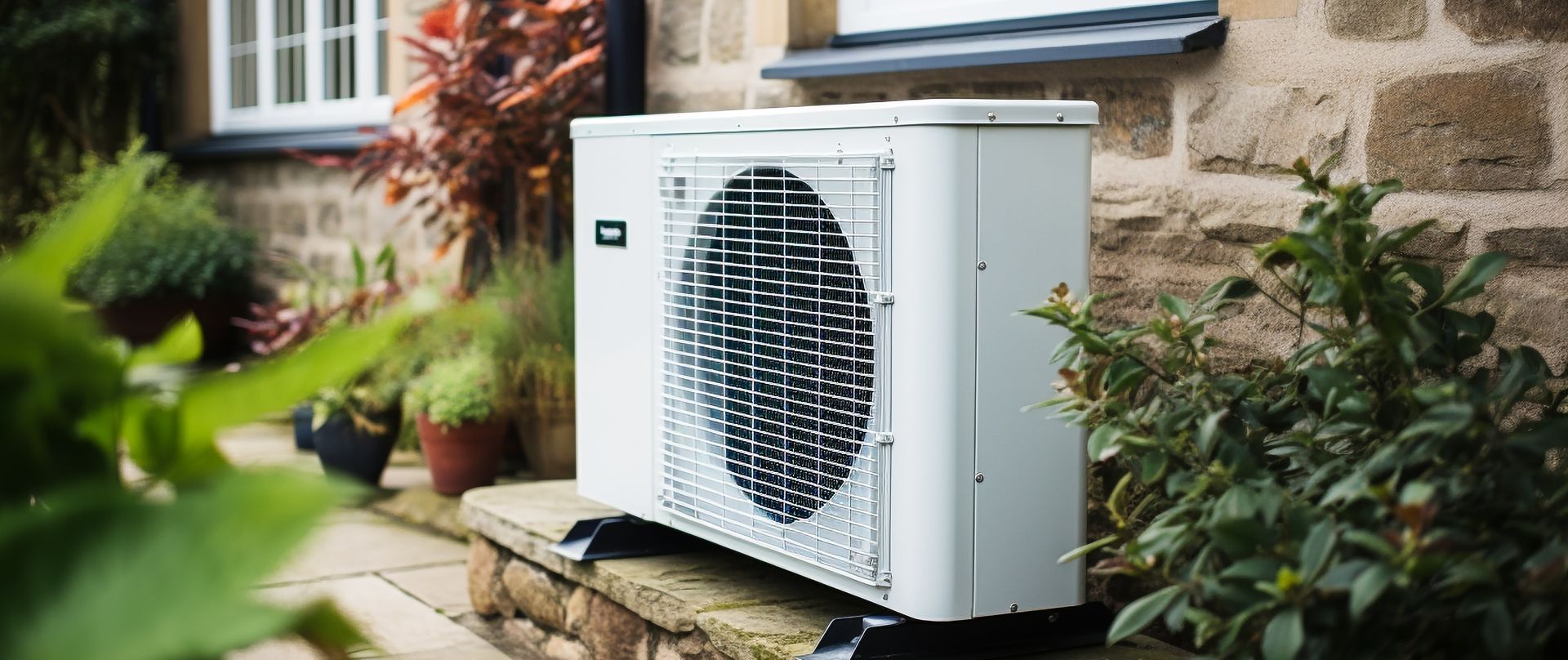
Heat pumps use air, not gas, to heat your home and water. They’re efficient, low-carbon, and can replace a gas boiler completely. When designed and installed properly, they provide steady, comfortable warmth while cutting running costs and emissions.
Efficiency that saves energy and bills
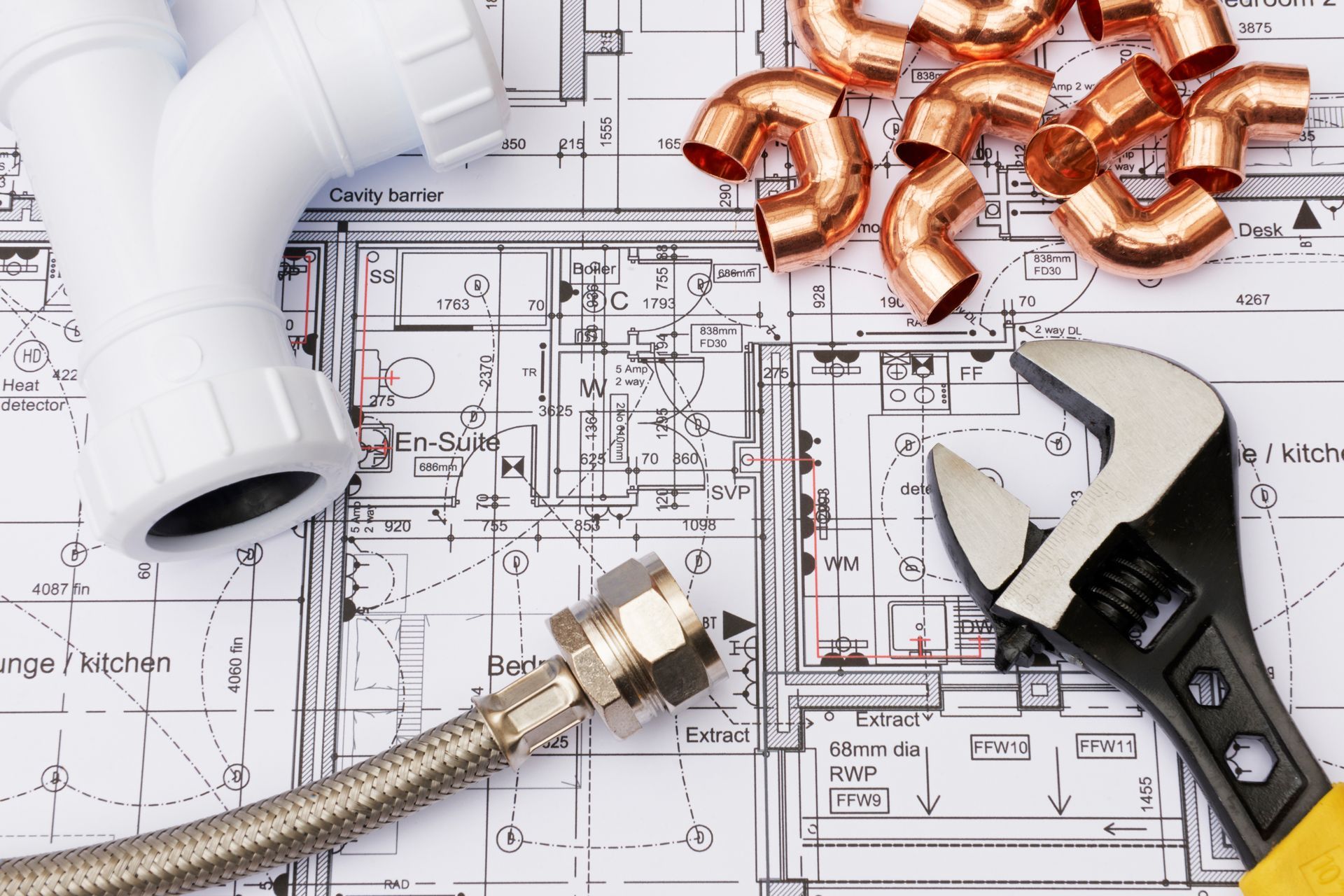
A heat pump can produce up to four times more heat than the electricity it uses. It works best when the system’s designed right — with the correct pipe sizing, insulation, and radiators matched to your home’s needs.
Proper design makes all the difference
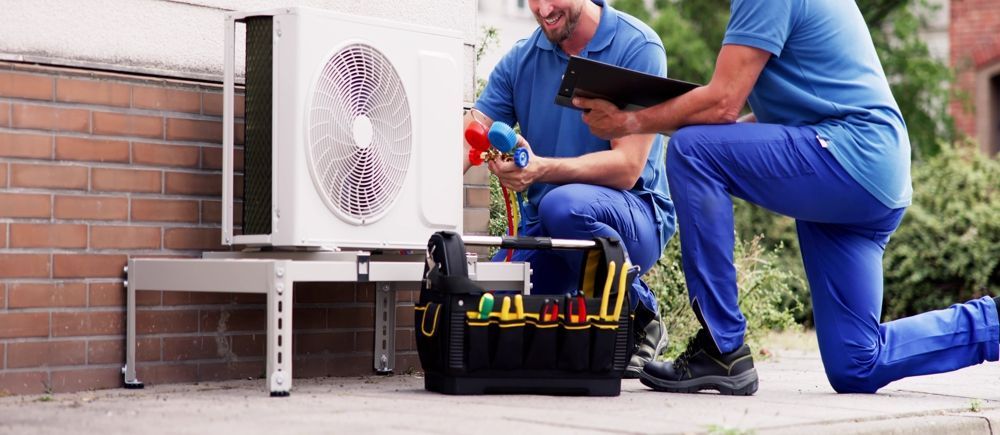
Heat pumps aren’t one-size-fits-all. Every room is measured for heat loss, and the water cylinder is sized for your household. Skipping these steps is why so many systems underperform. When it’s done properly, the results speak for themselves.
Everything to know before switching to heat pumps
Switching to a heat pump is easier than most think. This section explains grants, design, and installation basics — helping you make an informed choice about clean, efficient heating.
What to expect from installation
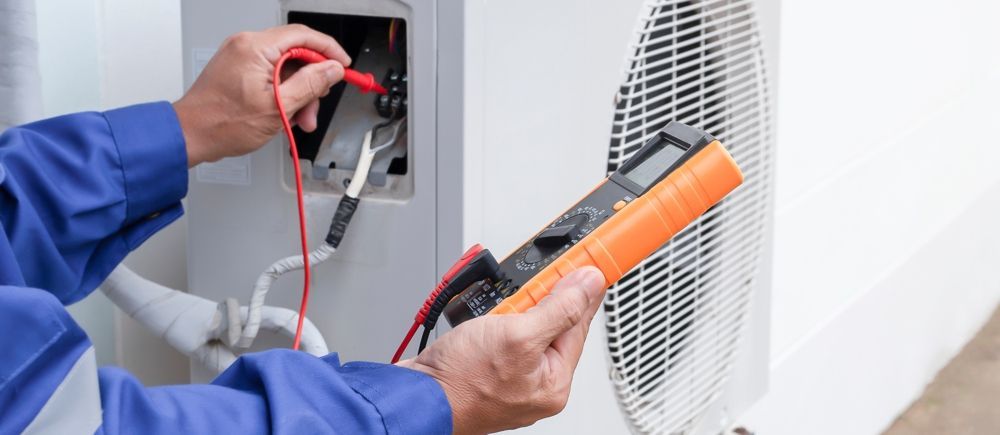
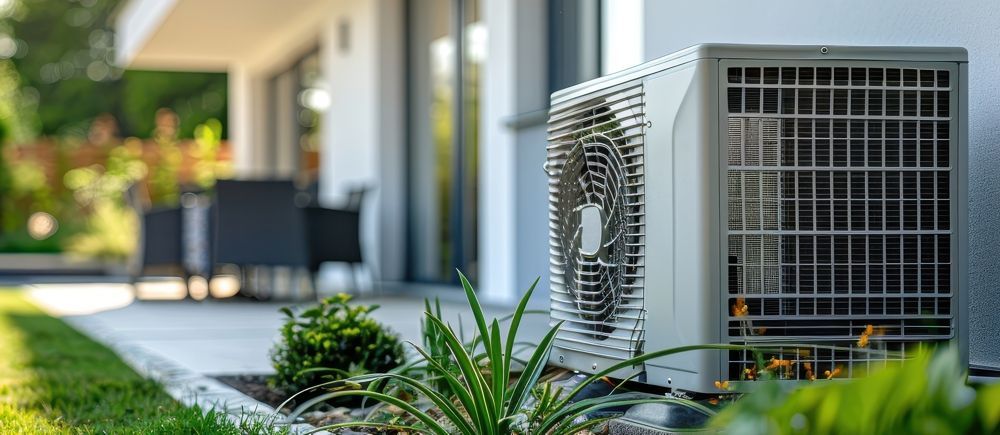
A detailed survey comes first, followed by the siting of the outdoor unit and fitting of a new cylinder indoors. Electrical checks and noise assessments ensure everything meets regulations. The system’s commissioned and tested before it’s handed over — fully certified and ready to use.
Avoiding costly mistakes
Poor installations cause high bills and low heat. Undersized radiators, missing surveys, or badly located outdoor units lead to constant inefficiency. Done properly, a heat pump runs quietly, reliably, and pays back through long-term savings.
Energy-smart heating, done right
When fitted correctly, a heat pump isn’t experimental — it’s the next generation of home heating. Clean, efficient, and built to last.