Warmth from the ground up
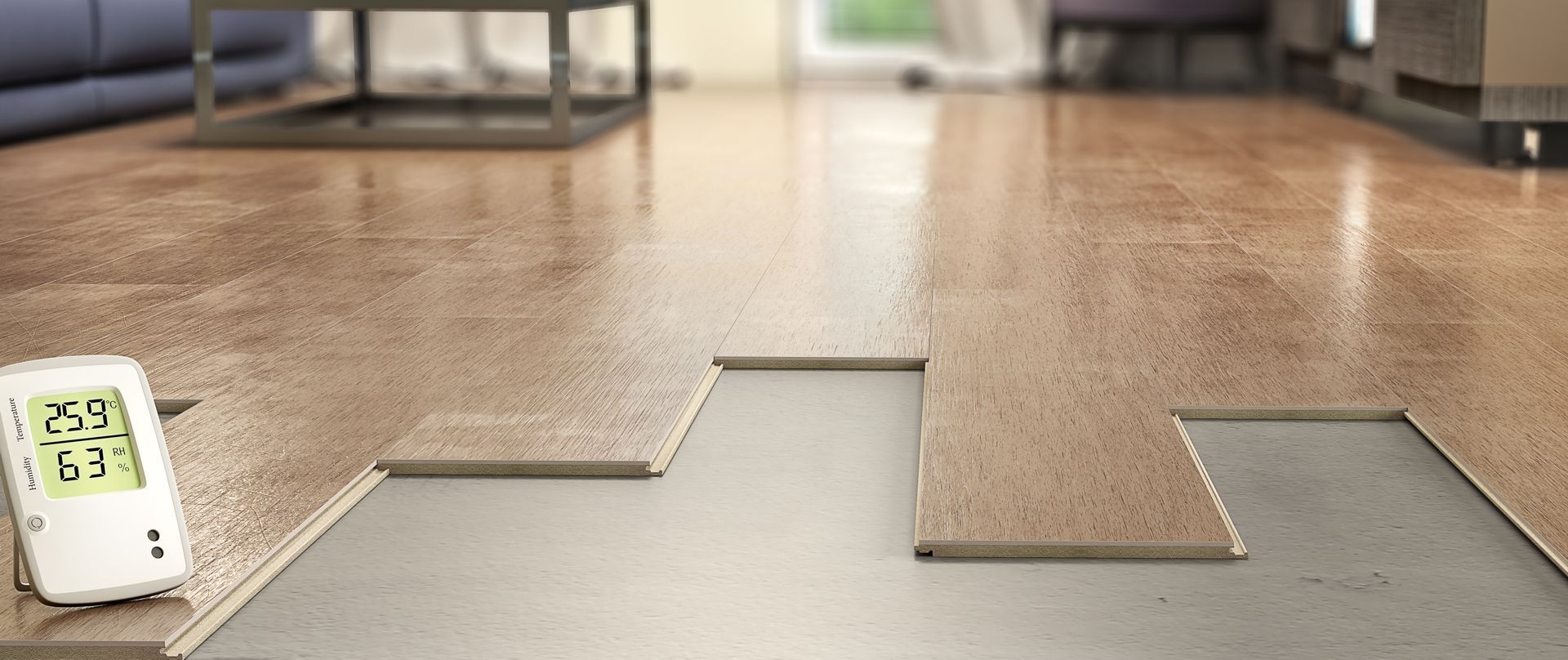
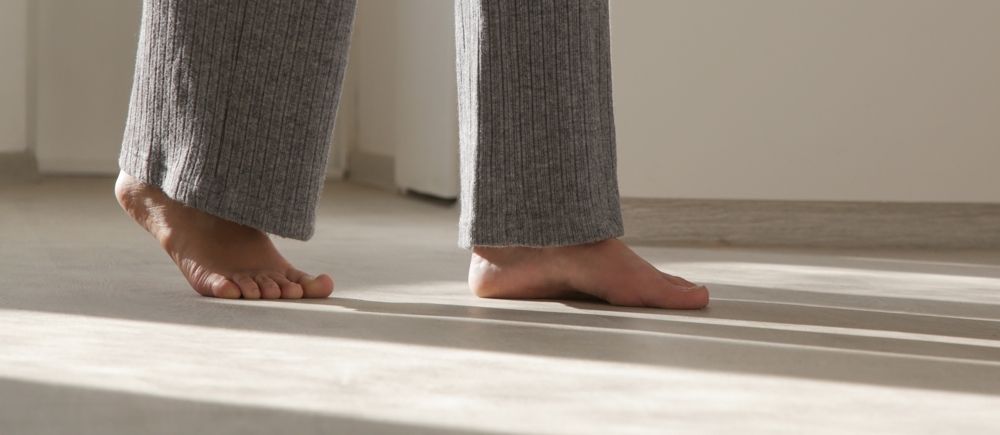
Underfloor heating creates a natural, even warmth throughout your home. It feels comfortable underfoot, frees up wall space, and can run at lower temperatures than radiators. The result is steady, efficient heating that’s kinder to both energy bills and comfort levels.

Perfect for new builds and retrofits
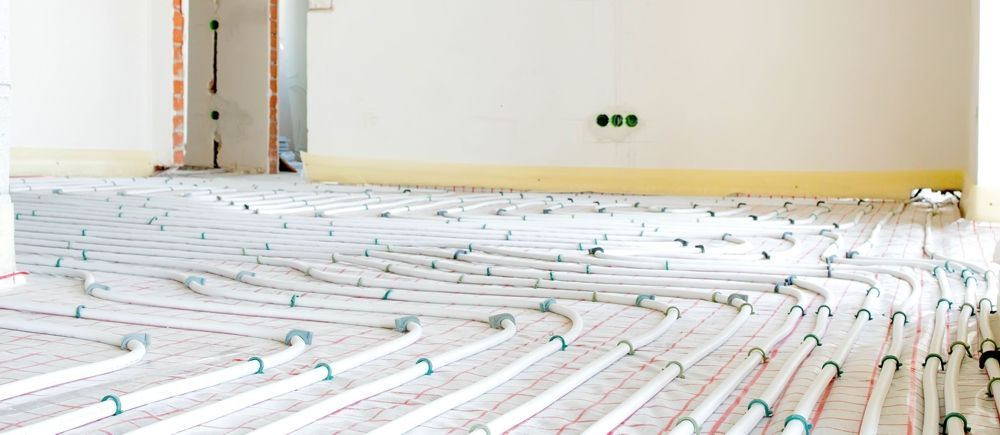
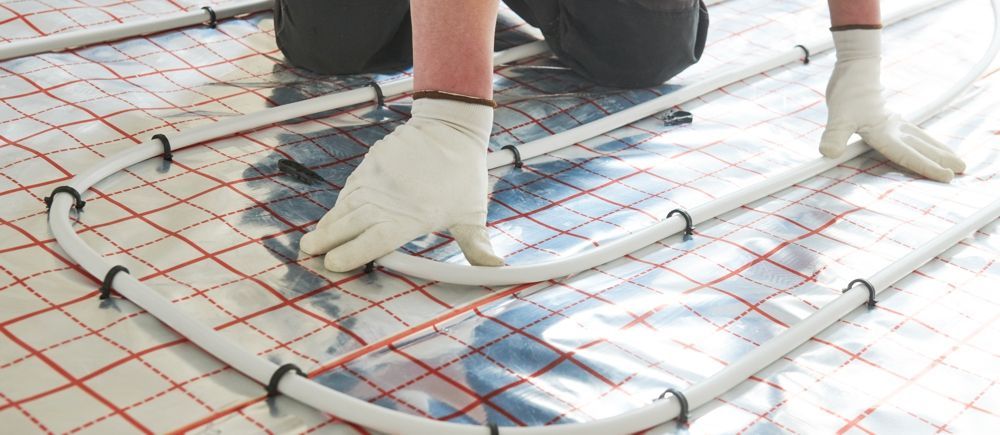
Whether you’re planning a new home or upgrading an existing one, underfloor heating can work beautifully. New builds integrate it into the floor as the screed’s laid, while retrofit systems sit over existing floors with minimal height increase and disruption.
Tailored control for every room
Each area can be managed independently. That means the living room can stay warm while the bedrooms cool down overnight — saving energy without sacrificing comfort. Smart thermostats make adjustments easy from your phone or a simple wall controller.
Understanding your underfloor heating options
Underfloor heating feels simple once it’s in, but there’s a lot to consider first. These answers cover installation, running costs, and how to choose the right system for your home.
Energy-smart and cost-efficient
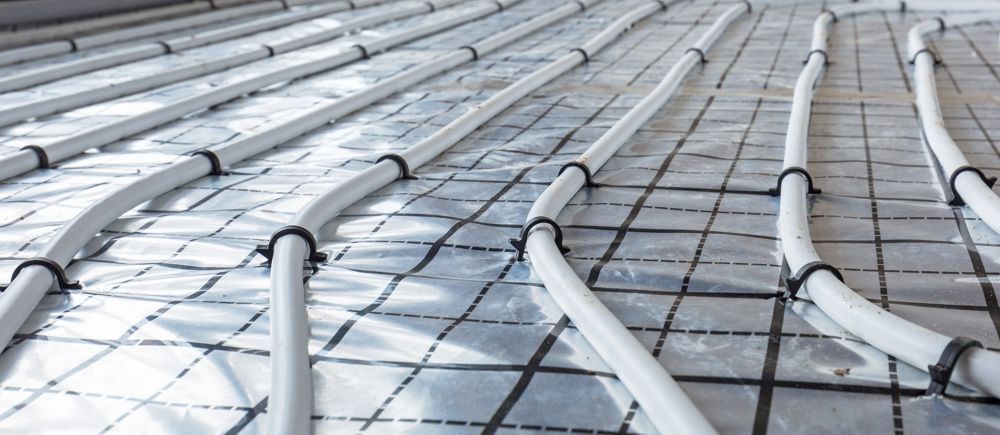
Underfloor heating uses water at much lower temperatures than radiators, so your boiler or heat pump works more efficiently. It’s an investment that pays back through lower running costs and more comfort.
The right system for your home
Electric underfloor heating can suit smaller areas like bathrooms or conservatories, but for larger spaces, a water-based system is more efficient and cheaper to run. Each home’s setup is different — and it’s always worth checking what will perform best.
Honest advice before you decide
There’s no one-size-fits-all answer. Some homes need a bit more planning or temporary disruption, but knowing that up front makes the choice easier. It’s about finding what works for your home and your budget — not what’s easiest to sell.
Make your home effortlessly comfortable
Once it’s in, you’ll wonder how you lived without it. Quiet, invisible, and efficient — it just delivers warmth exactly where you want it.