

Designing a system that truly fits

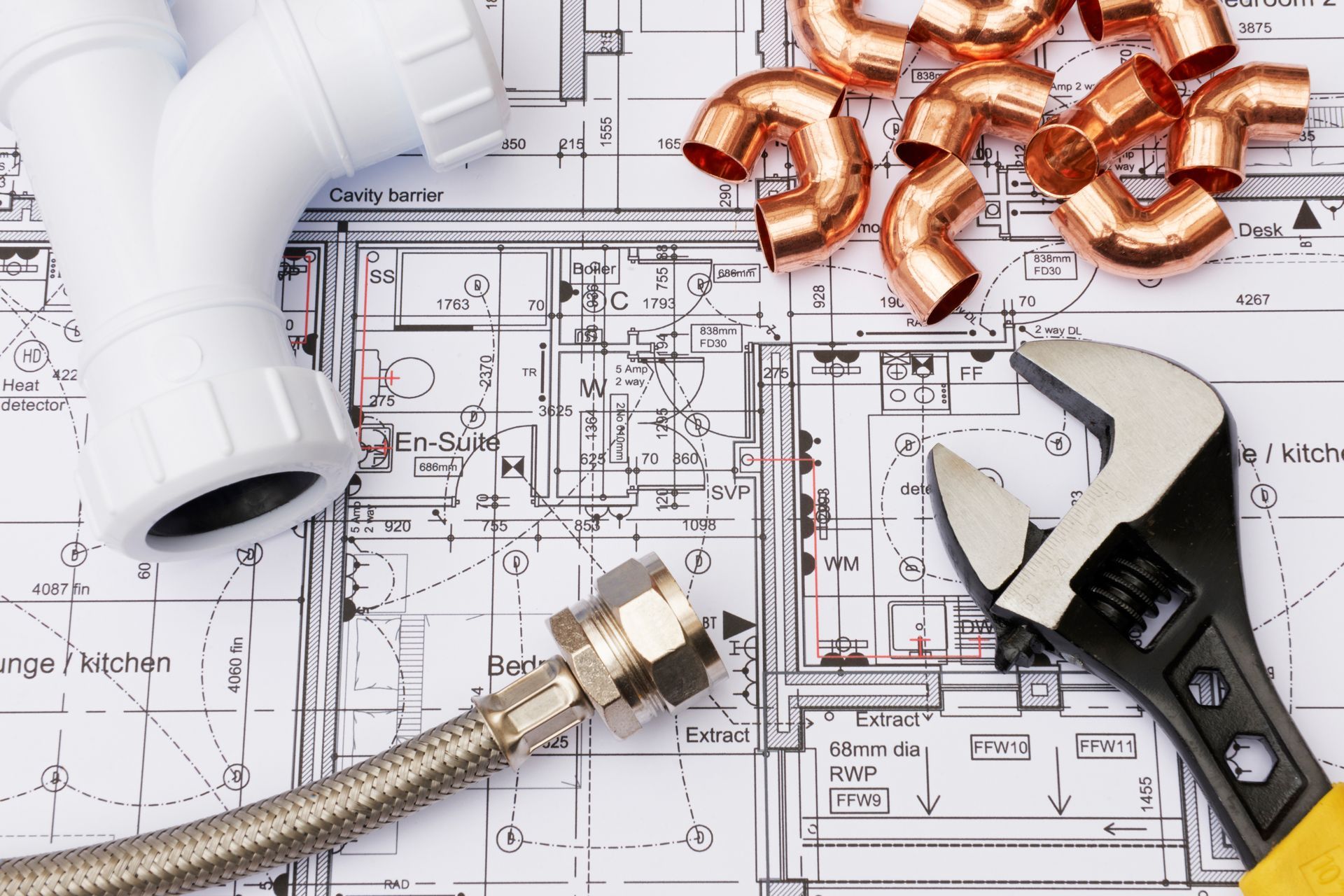
A good heating system isn’t about size — it’s about design. Every home’s different, so the first step is always measuring and planning properly. From radiator output to pipe sizing, the system’s built around the space, not just what’s easiest to fit.
Every pipe and radiator matters

Heating efficiency starts with what’s behind the walls. Using the right pipe size and radiator type prevents pressure issues and uneven heat. A system designed with flow in mind runs smoother, lasts longer, and uses less energy to keep your home warm.

Feet in colorful socks resting on a white radiator against a wood floor.
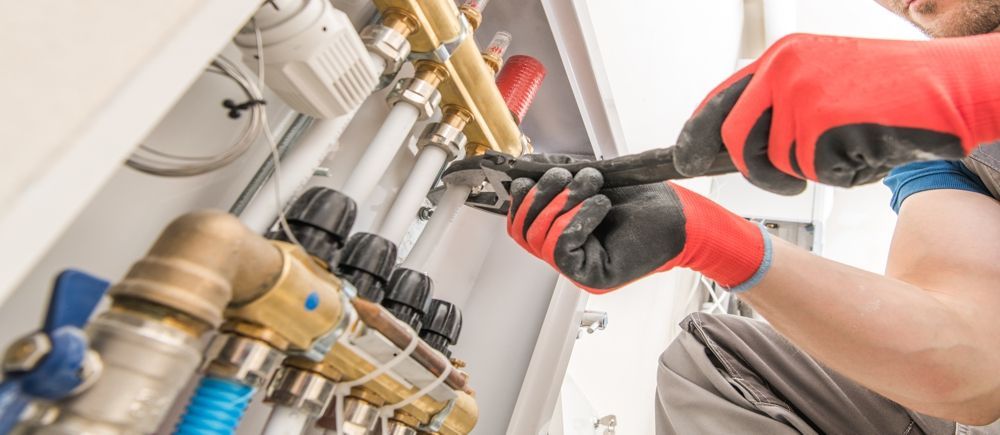
Plumber in red gloves using a wrench to work on plumbing pipes.

Built for today and tomorrow

Modern systems can do more than heat — they can prepare for what’s next. Using larger pipes and efficient layouts makes it easier to switch to a heat pump in future. It’s smart planning that saves you money later, not extra work later on.

Clarity before your new system goes in
A new heating system is a big investment. These answers explain how to plan, what affects cost and efficiency, and how the right design saves money for years to come.

  • 1. How long does a full heating installation take?

    Usually three to five days depending on property size and pipework condition.

  • 2. Do all the old pipes need replacing?

    Not always. Existing pipework is checked first — only replaced if necessary.   

  • 3. Can I keep my current radiators?

    If they’re correctly sized and in good condition, yes. 

  • 4. What’s the benefit of a system flush?

    It removes sludge and debris that block pipes and damage boilers, keeping everything running efficiently.

  • 5. Will installation be messy?

    Work areas are covered, and pipe routes are planned to reduce disruption. Everything’s cleaned before leaving.

  • 6. Is a heat pump-compatible system worth it now?

    Yes — it future-proofs your property for greener upgrades later without redoing all the pipework.

  • 7. Why are some systems noisy?

    Usually due to poor pipework layout, trapped air or blockages in the system. Proper design and setup prevent that.

  • 8. What size system do I need?

    That depends on your home’s insulation, layout, and heat loss. A survey ensures the system we install is right for your space.

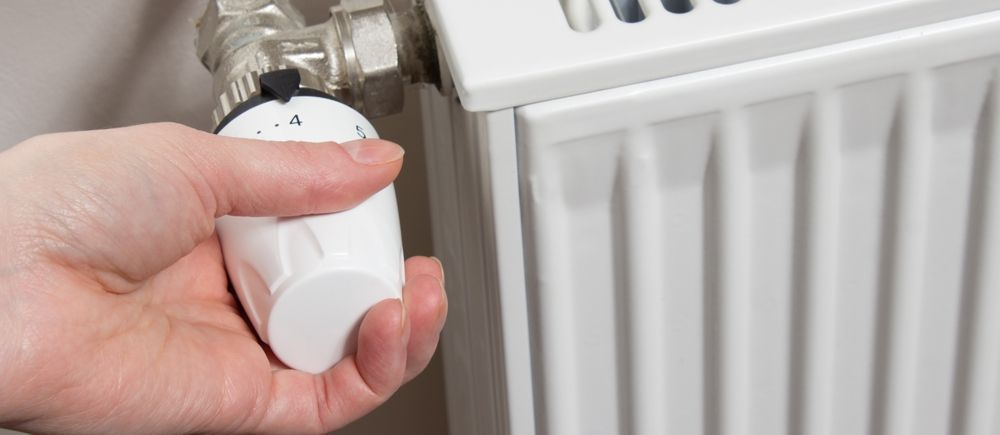
A hand adjusting a white radiator valve on a white radiator.

Clean work, clear standards

Heating installs can be messy, but they don’t have to be. Floors are sheeted, pipe runs are neat, and every joint is checked before it’s hidden. The focus is on doing things once, doing them right, and keeping your home tidy while it’s done.

How poor installations cost more later

Quick jobs often skip the basics — undersized radiators, tight pipework, and mismatched fittings. These cause higher bills, noisy systems, and early failures. It’s always cheaper to do it properly now than to keep fixing it later.

Efficient, comfortable, long-term warmth

Quick jobs often skip the basics — undersized radiators, tight pipework, and mismatched fittings. These cause higher bills, noisy systems, and early failures. It’s always cheaper to do it properly now than to keep fixing it later.

A system designed to last

When a heating system is planned and installed properly, it’s not something you have to think about. It just works — safely, efficiently, and quietly in the background.
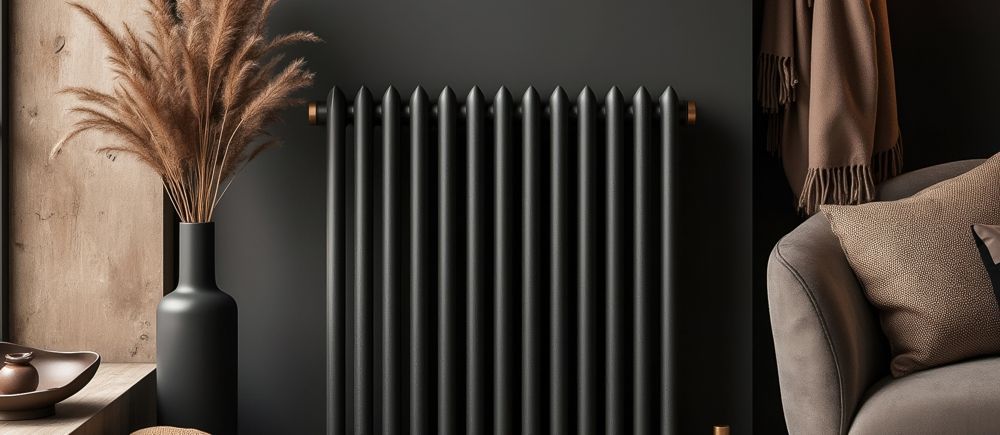
A black radiator against a dark wall with pampas grass in a vase and a sofa with a throw pillow.